Gray's Crossing New Construction: Key Things to Know
January 15, 2026
January 15, 2026
Dreaming of a fresh, mountain‑modern home where you can move in without managing every contractor? New construction at Gray’s Crossing and Old Greenwood in Truckee gives you that blend: clean design, quality finishes, and a streamlined path to move‑in. You want a clear plan, predictable timing, and honest guidance on what “turnkey” really includes. This guide gives you the essentials so you can buy with confidence and plan your build the right way. Let’s dive in.
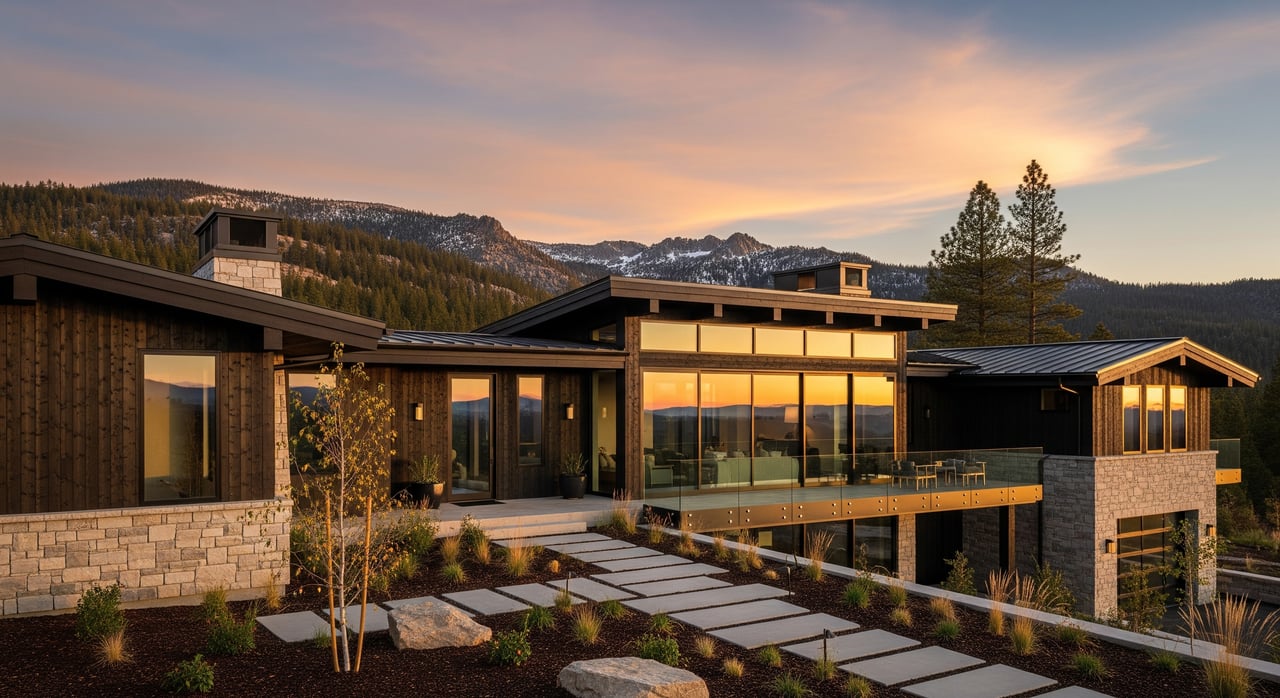
Old Greenwood is a planned residential community in Truckee, within Nevada County, California. The Village at Gray’s Crossing and nearby build options cater to buyers who want semi‑custom, mountain‑modern homes with high‑quality finishes and low‑maintenance, lock‑and‑leave living. You get the charm of a Sierra setting with modern performance and style.
Be aware that building in the Tahoe region involves multiple layers of review. Confirm whether your specific homesite falls within the Lake Tahoe Basin and subject to TRPA rules. You will coordinate with Nevada County Planning and Building, your local building department for the Certificate of Occupancy, your HOA’s architectural review board, utility providers, and fire authorities for defensible space. Planning for these steps early keeps your timeline on track.
Semi‑custom homes in this market typically range from about 1,500 to more than 4,000 square feet depending on lot size and product line. Layouts often feature main‑level living with an open great room and kitchen, a primary suite on the main floor, and flexible spaces like a home office or bunk room. Two‑story options can stack bedrooms above to capture views, with multi‑car garages and mudroom transitions for ski and bike gear.
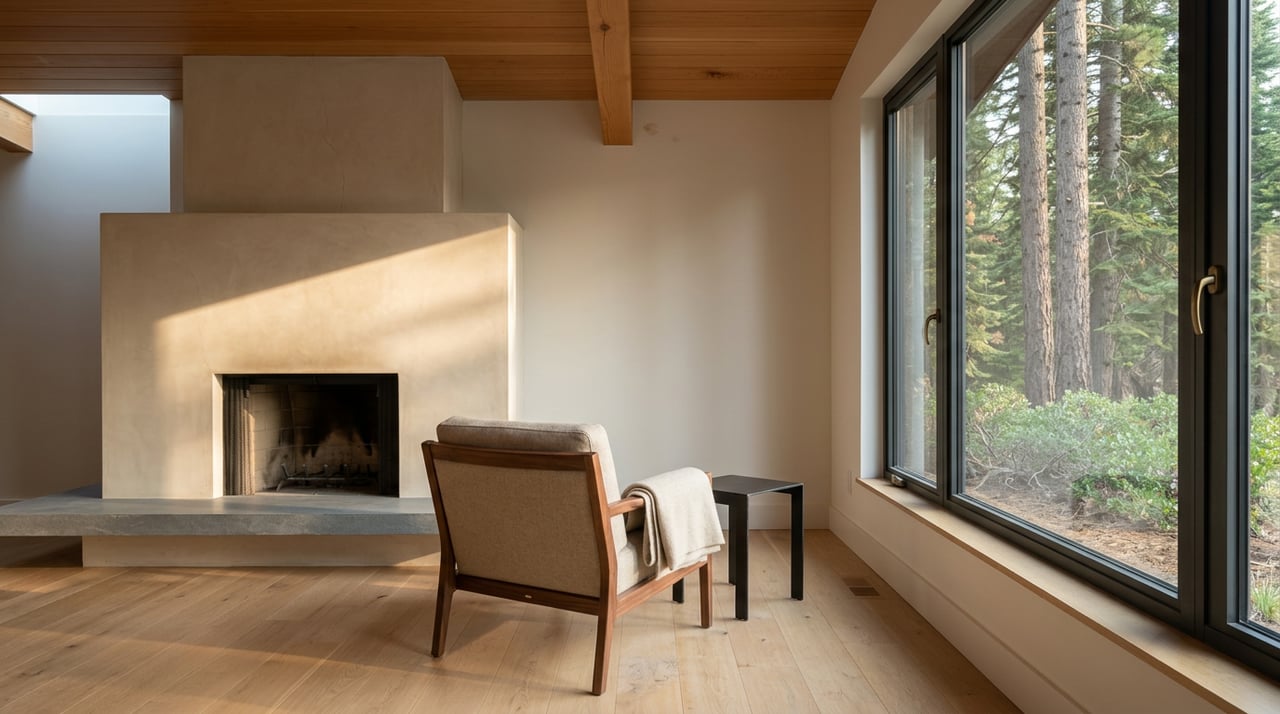
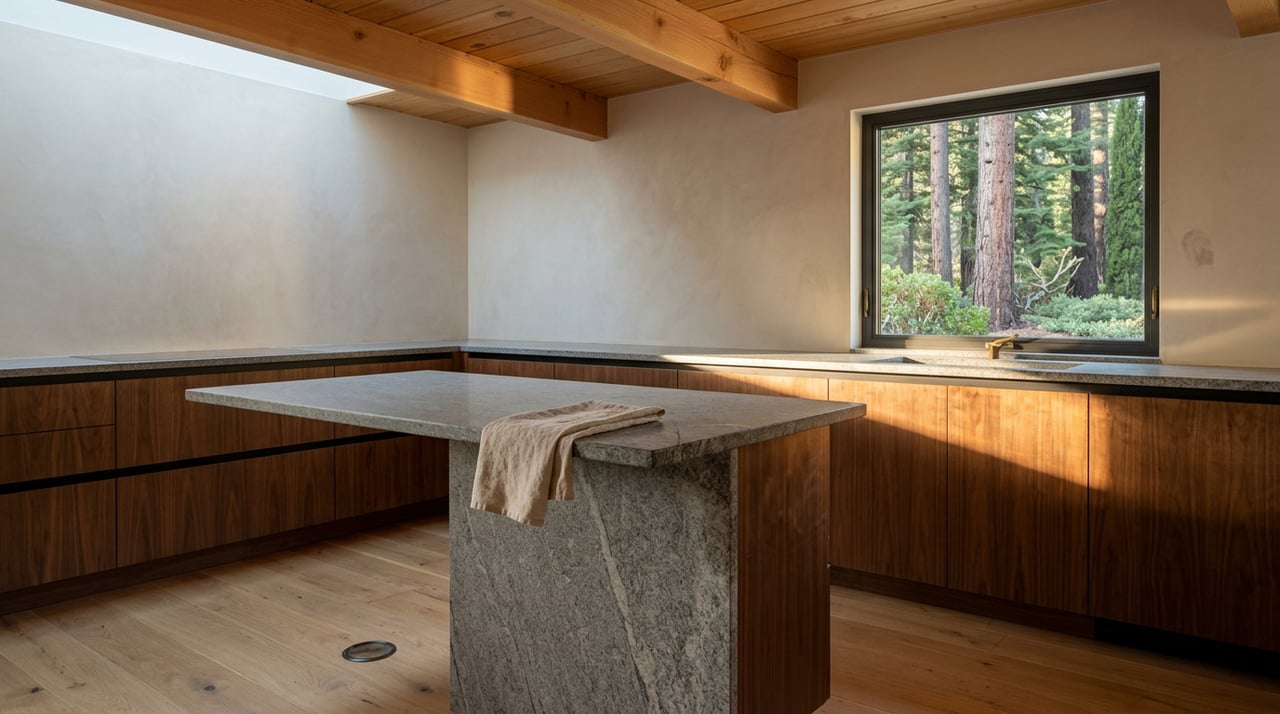
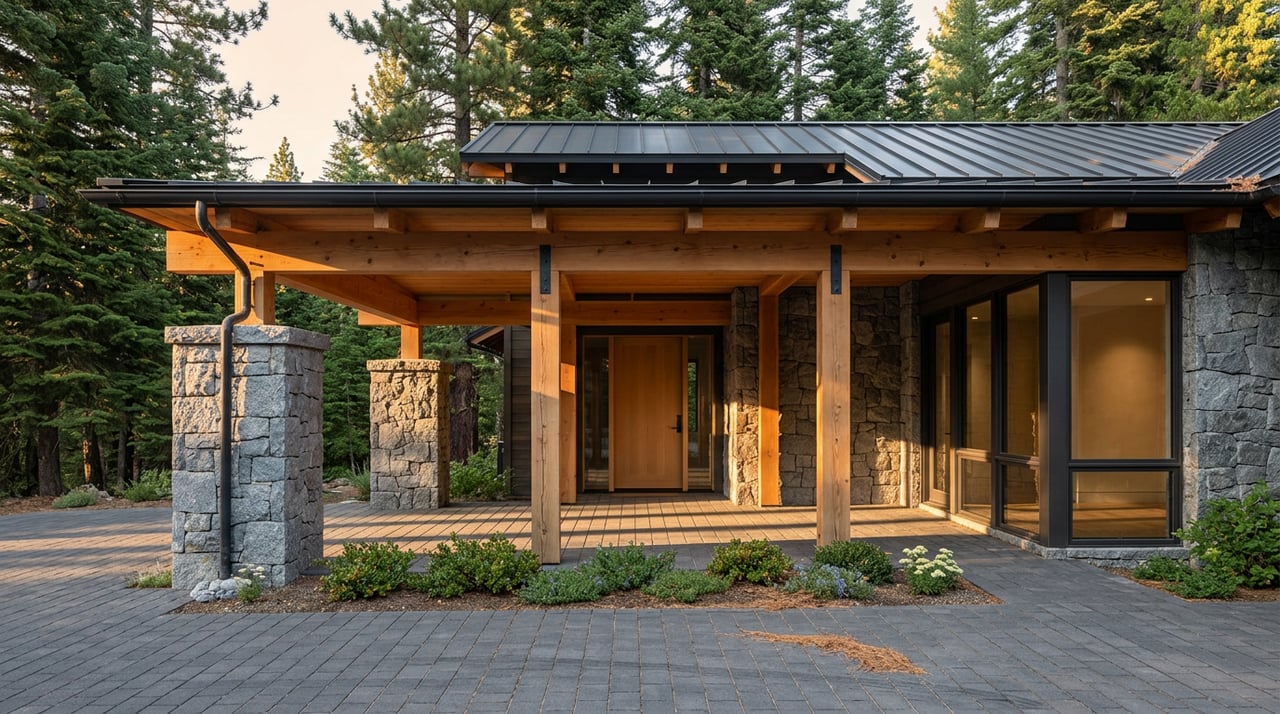
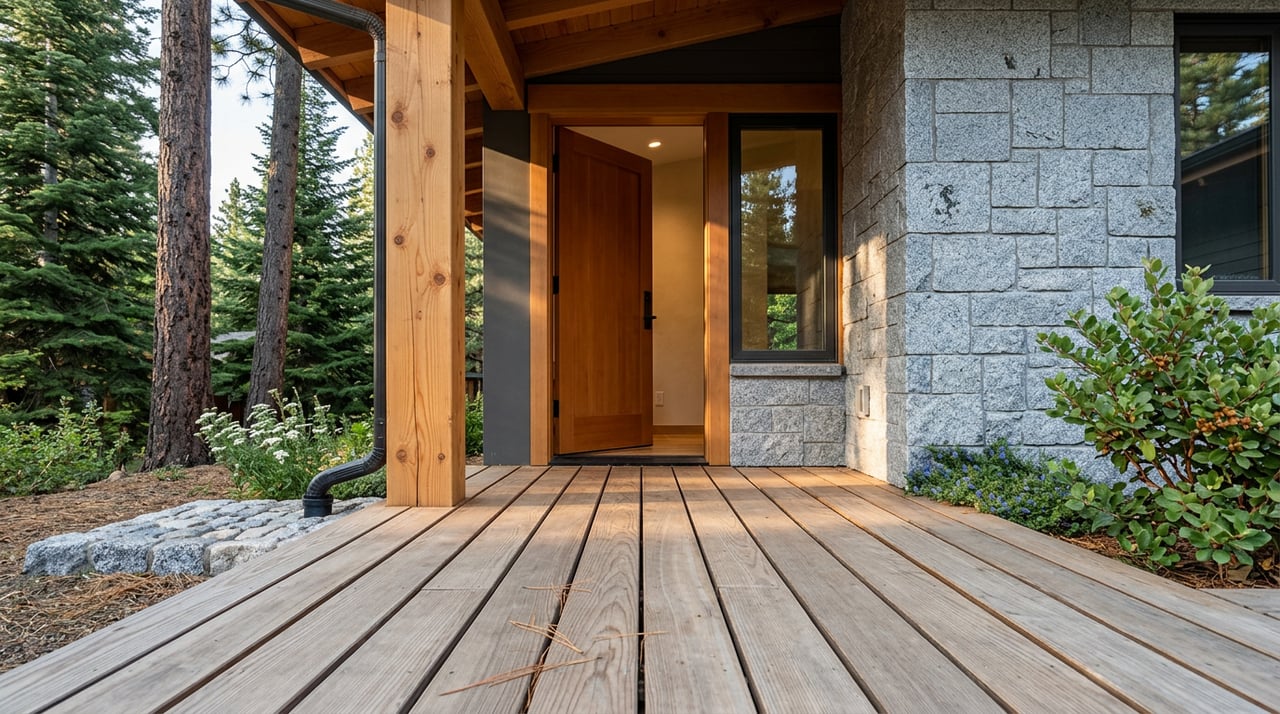
The mountain‑modern aesthetic emphasizes clean lines, large windows to frame the pines and peaks, and a mix of natural materials such as stone, stained wood, and metal. Inside, you will see durable surfaces, warm wood tones, and modern fixtures that support an indoor‑outdoor lifestyle. Covered outdoor spaces are sized for both winter and summer use so you can enjoy the seasons comfortably.
Selections often follow an allowance model. You choose from curated palettes for flooring, cabinets, counters, and fixtures at defined milestones. Most builders lock structural elements early, then allow interior selections during the first 4 to 12 weeks after contract. Once framing starts, structural changes are limited. Get your allowances and any upgrade costs spelled out in writing so you know where the budget stands.
Most Truckee communities, including Old Greenwood and Gray’s Crossing, rely on CC&Rs and Design Guidelines to keep architecture cohesive and mountain appropriate. Expect rules that address exterior materials and colors, roof types and orientation, landscaping requirements that favor native and fire‑resistant plants, snow storage areas, driveway and garage placement, and exterior lighting that respects dark‑sky principles.
Your design will likely require architectural review board approval before some site work. The review timeline varies, so build it into your schedule. Rules around trash and recycling enclosures, window coverings visible from the street, and screening of utilities are common. Getting HOA approval aligned with county permits helps you avoid delays.
Wildfire hardening is typically required by code and often reinforced by HOAs. Look for Class A roofs, ember‑resistant vents, and non‑combustible or ignition‑resistant siding. Defensible space and ongoing vegetation management will be part of ownership in the Sierra.
Building in the mountains follows a predictable sequence, but winter weather can extend schedules. Plan your path and you’ll reduce surprises.
In the Truckee area, winter logistics often push projects toward the longer end. Many builders try to complete the exterior shell before heavy snow, then shift to interior work during the winter months.
Turnkey should mean you receive a complete home without managing day‑to‑day construction. The exact package varies by builder, so get clarity in writing. Ask about:
You will also want a clear walkthrough and punch list process, plus written warranty terms. Many builders offer a one‑year workmanship warranty and a longer structural warranty. Confirm the warranty claim process and who handles any service calls.
You have several ways to finance a semi‑custom home here.
Appraisals on semi‑custom homes can be challenging if comparable sales are limited. Lenders may ask for higher down payments or additional reserves. Expect lender site visits and draw inspections during construction. Some loans use the construction appraisal at conversion while others require a new appraisal.
Occupancy classification matters. Loan terms differ for primary residences, second homes, and investment properties. Many buyers here are second‑home purchasers, so be sure your lender pre‑approval fits the intended use.
Plan early for insurance and property taxes. Wildfire and high‑snow exposure can affect policy availability and premiums in the Sierra. Obtain insurance quotes at the start of your process. Property tax assessments are set by county practices at sale or transfer for new construction, so confirm how Nevada County handles reassessments.
For tax deductions on mortgage interest and property taxes, talk with your tax advisor. The best plan is coordinated among your lender, insurance broker, and CPA from the outset.
Use this list to stay in control from contract to closing.
Mountain conditions drive a lot of the engineering and detailing you will see.
These features are not just checkboxes. They support comfort, efficiency, and resilience in a high‑elevation climate.
Buying new construction from afar or on a tight schedule takes trusted local help. With deep Truckee and North Lake Tahoe market knowledge, Kaili offers buyer representation, relocation support, and practical consulting tailored to resort communities. You get guidance on micro‑neighborhood nuance, introductions to lenders experienced in construction lending, and coordination with builders and vendors so your selections and milestones stay on track.
From first tour through final walkthrough, Kaili keeps the process clear and calm so you can focus on how you will live in your new home, not the logistics behind it.
Ready to explore new construction at Gray’s Crossing and Old Greenwood? Connect with Kaili Sanchez to see current opportunities, compare build options, and plan a timeline that fits your goals. Discover Tahoe Living — Start Your Personalized Search.
August 27, 2026
August 20, 2026
August 13, 2026
August 6, 2026
July 23, 2026
July 16, 2026
July 16, 2026
July 9, 2026
July 9, 2026
If you are looking to purchase or sell a home in the Tahoe area, We are here to take care of all the details with that extra personal touch. Our goal is help you fulfill your dreams while you enjoy this beautiful part of the world.
Kaili Sanchez | CA DRE#01945074
(530) 386-2287
[email protected]
Address
165 W. River Rd., #2
Tahoe City, CA 96145